 Drive Hub US
The Vital Role of Thermal Interface Materials
Graphics processing units operate under intense thermal stress, especially during high-end gaming or rendering tasks. Modern GPUs rely on two primary components to transfer heat from the silicon and memory chips to the massive heatsink: thermal paste and thermal pads. Over time, the factory-applied paste dries out and loses its flexibility, leading to microscopic air gaps that trap heat. Similarly, thermal pads can leak silicone oil or become brittle, failing to bridge the gap between the VRAM and the cooler. Drive Hub US provides a specialized service to refresh these materials, ensuring your hardware stays within safe operating temperatures.
Recognizing the Signs of Thermal Degradation
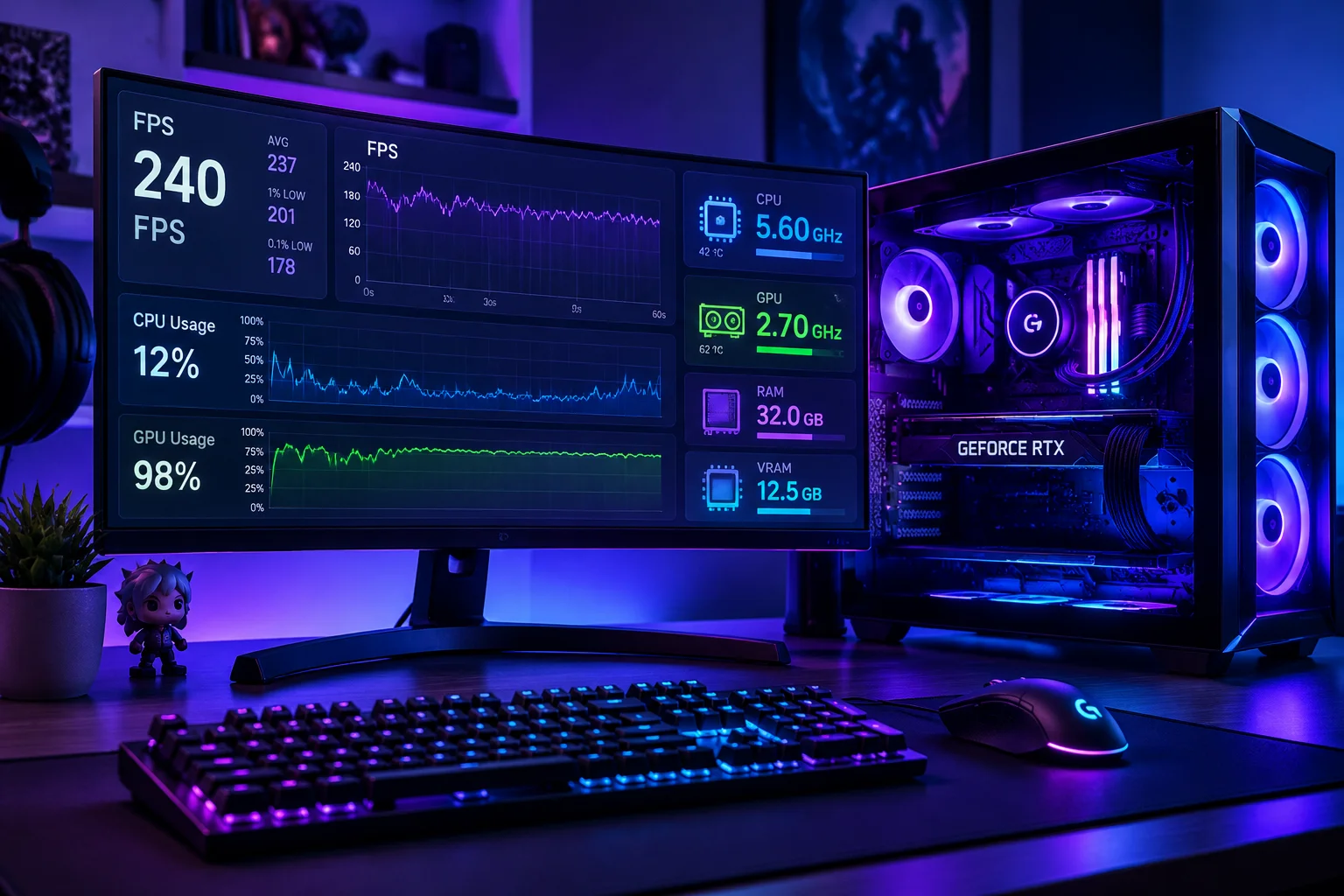
Identifying the need for service often begins with monitoring software. If the core temperature reaches 85 degrees Celsius or the memory junction temperature hits triple digits, the card likely requires attention. Excessive fan noise serves as another major indicator. When the cooling system struggles to dissipate heat, the fans ramp up to maximum speed, creating a loud, jet-like sound that disrupts the gaming experience. Persistent thermal throttling also manifests as sudden drops in frame rates during gameplay. Otherwise, the card might eventually suffer from permanent hardware failure due to prolonged heat exposure.
Our Meticulous Replacement Process
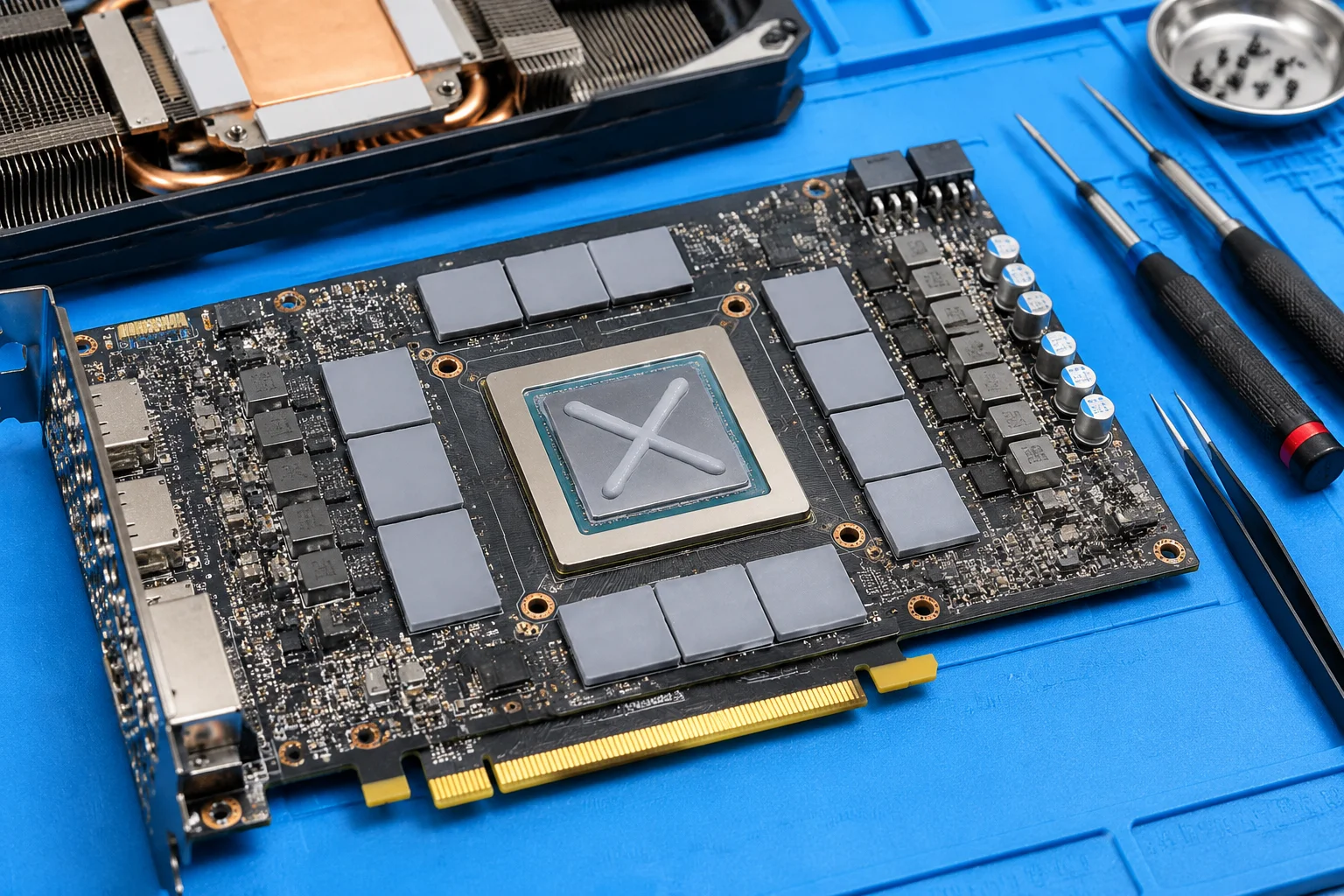
The procedure begins with a careful disassembly of the graphics card. Technicians remove the outer shroud and the heavy heatsink to expose the PCB. Old, crusty thermal paste is removed using high-purity isopropyl alcohol and lint-free wipes. This step requires extreme precision to avoid damaging the tiny surface-mounted components surrounding the GPU die. We then measure the thickness of the existing thermal pads with digital calipers. Using the wrong thickness can prevent the heatsink from making proper contact with the GPU core or leave the memory chips completely untouched. Only high-performance pads with high thermal conductivity are used for the replacement.
Precision Application and Reassembly
Applying the new thermal paste involves a technique that ensures total coverage without air bubbles. We prefer a thin, even spread or a precise cross-pattern depending on the specific chip architecture. After the pads are cut and placed on the VRAM and VRM components, the heatsink is reattached. Screws are tightened in a specific diagonal pattern to apply even pressure across the die. This prevents the silicon from cracking and ensures the best possible thermal transfer. Finally, the card undergoes a rigorous stress test using software like FurMark or 3DMark to verify that temperatures have dropped to optimal levels.
The Long-Term Benefits for Your Hardware
Investing in a thermal refresh significantly extends the lifespan of a graphics card. Lower operating temperatures reduce the wear on the electronic components and the fan bearings. Users often report a significant decrease in noise levels, making their gaming environment much more pleasant. Furthermore, maintaining stable temperatures allows the GPU's boost clock to stay higher for longer periods, providing a measurable increase in gaming performance without the need for manual overclocking.