 Drive Hub US
Maximizing Competitive Advantage Through Hardware Tuning
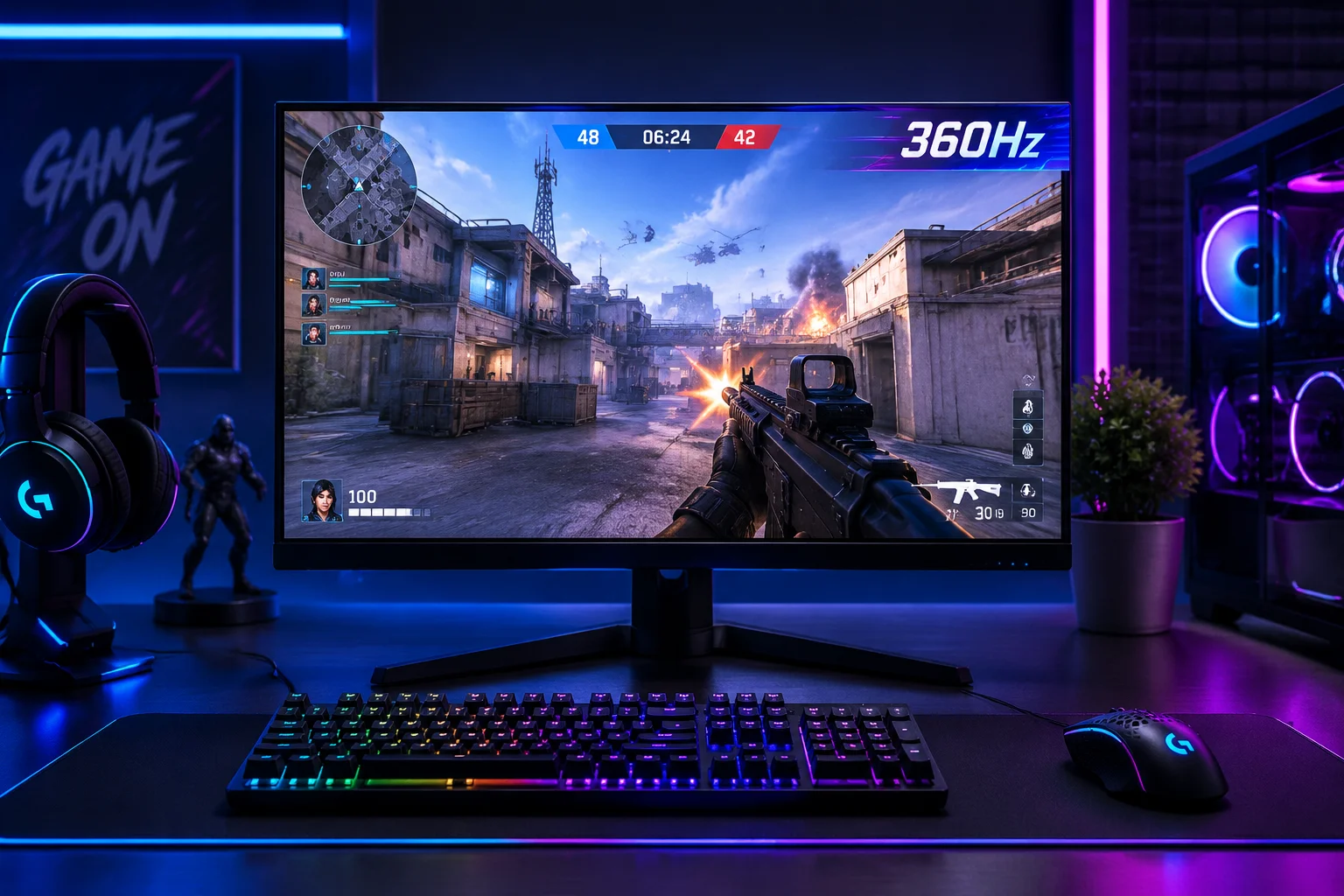
In the world of competitive eSports, every millisecond of input latency can determine the outcome of a match. A semi-professional Valorant player requested a system that prioritized maximum frame rates and minimum system latency. Standard out-of-the-box PC configurations often include bloatware and suboptimal BIOS settings that introduce micro-stuttering. Drive Hub US designed a custom build and optimization plan to provide the smoothest possible gaming experience. The goal was to achieve a consistent 360+ FPS to match the refresh rate of the client's high-end monitor.
Component Selection for Low Latency Performance
The hardware selection focused on single-core CPU speed and low-latency memory. An Intel Core i9 processor with a high boost clock was paired with 32GB of low-latency DDR5 RAM. The team selected a motherboard with a robust power delivery system to ensure stable voltages during high-frequency operation. A fast NVMe Gen4 SSD was chosen to minimize map loading times and prevent any asset-streaming hitches during gameplay. These components form the backbone of a high-performance machine where bottlenecks are systematically eliminated.
BIOS Level Tuning and Overclocking
Optimization began at the most fundamental level of the hardware. Technicians entered the BIOS to enable the Extreme Memory Profile (XMP) and fine-tune the primary timings. Sub-timings were tightened to reduce the delay between the CPU and memory communication. The team disabled unnecessary integrated peripherals and power-saving states like C-States, which can cause erratic CPU frequency fluctuations. A stable, modest overclock was applied to the CPU cores to ensure they never dip below their target frequency during intense combat scenes. This level of control provides the consistency required for high-level play.
Windows Debloating and Service Optimization
The software environment received a complete overhaul to reduce background CPU usage. A fresh installation of Windows was stripped of telemetry, unnecessary background apps, and visual effects that consume system resources. The team utilized specialized scripts to disable non-essential services that often cause sudden spikes in frame times. Power plans were set to 'Ultimate Performance' to keep the hardware in a high-performance state at all times. These changes ensure that the CPU cycles are dedicated almost exclusively to the game engine and input processing.
Input Lag Reduction and Final Benchmarking
The final step involved optimizing the communication between the peripherals and the game. NVIDIA Reflex was configured to synchronize the GPU and CPU, significantly reducing the click-to-photon latency. The team used a high-speed camera to verify that input lag was at its absolute minimum. Benchmarks in Valorant showed a stable 450 FPS with 1% lows staying well above the 360 FPS target. The client reported a noticeable improvement in their tracking and reaction times. This project demonstrates how professional tuning turns a powerful PC into a precision tool for competitive gaming.