 Drive Hub US
The Quest for Realistic Lighting
Ray tracing represents one of the most significant leaps in computer graphics. Traditionally, games used rasterization to render scenes. Rasterization approximates lighting using pre-calculated textures and shadows. This method is fast but lacks physical accuracy. Ray tracing simulates the actual behavior of light. It tracks individual rays as they bounce off surfaces. This process creates realistic reflections, refractions, and soft shadows. The result is a level of visual fidelity that mimics the real world. Early implementations were limited to high-end workstations. Today, this technology is available to home gamers.
The Arrival of Hardware Acceleration
Real-time ray tracing became possible with the introduction of dedicated hardware. NVIDIA's RTX series introduced RT cores specifically designed for these calculations. These cores handle the complex math required to trace light rays in real-time. Without this acceleration, the performance hit would be unplayable. Modern GPUs from AMD and Intel also feature ray tracing capabilities now. Competition drives innovation. Each generation of hardware improves the efficiency of these effects. Players can now enjoy ray-traced visuals at higher resolutions without sacrificing too much performance.
Global Illumination and Reflections
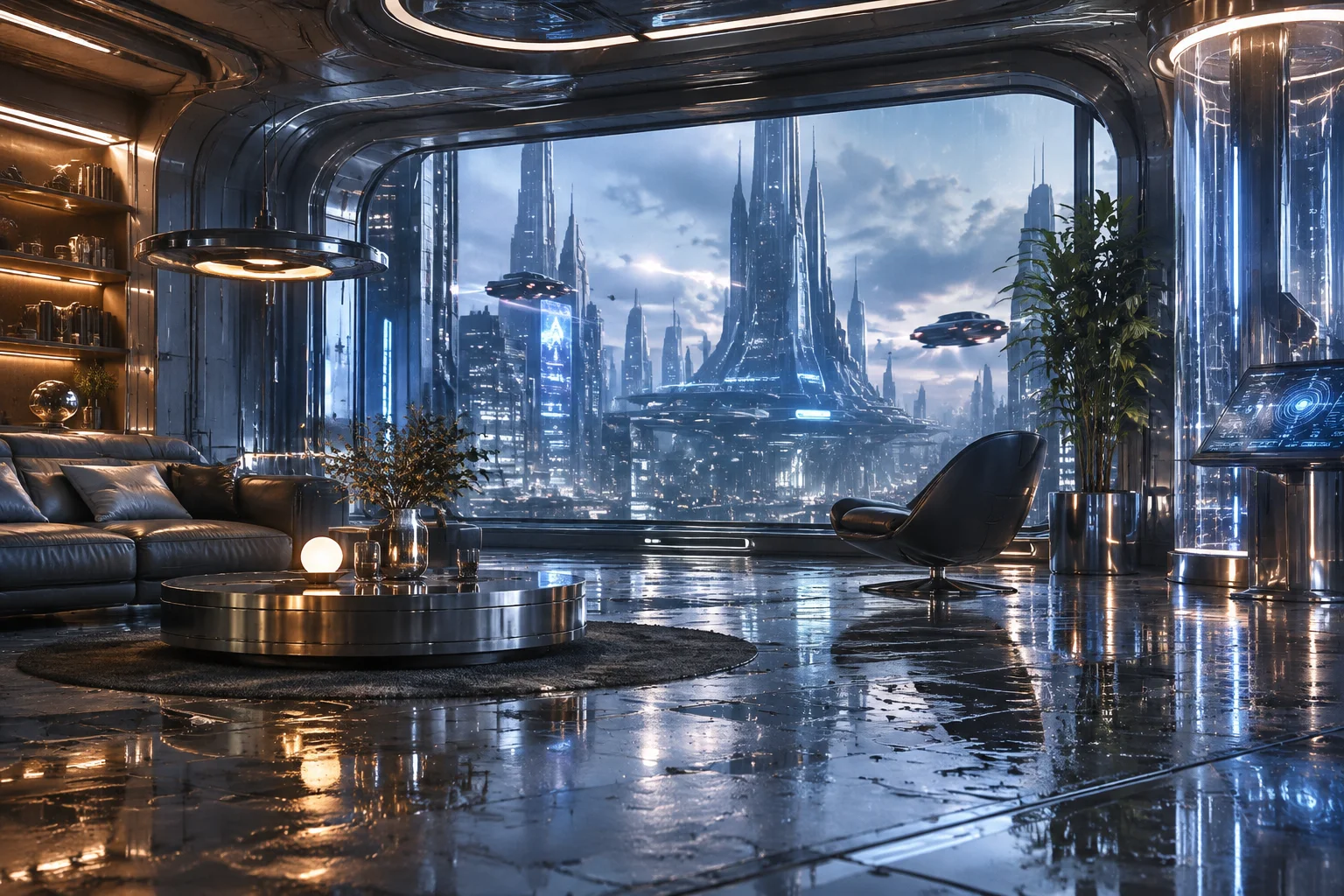
Ray tracing enhances several aspects of a game's visuals. Global illumination is perhaps the most impactful. It simulates how light bounces from one object to another. A red wall will cast a subtle red glow on a white floor. This creates a cohesive and believable environment. Reflections also benefit immensely. Standard reflections often fail to show objects outside the player's view. Ray-traced reflections capture everything in the scene. Water, glass, and polished metal look stunningly realistic. These details add depth to the digital world. They make environments feel alive.
The Role of AI and Upscaling
Ray tracing is computationally expensive. Even the most powerful GPUs struggle with full path tracing at 4K resolution. AI upscaling technologies like DLSS, FSR, and XeSS bridge this gap. These tools use artificial intelligence to render the game at a lower resolution and then upscale it. The AI fills in the missing details. This process restores performance while maintaining visual quality. Using upscaling allows gamers to enable ray tracing features that would otherwise be too demanding. It is a symbiotic relationship between raw power and intelligent software. Drive Hub US often recommends these settings to optimize performance for high-end builds.
The Future: Path Tracing and Beyond
The industry is moving toward path tracing. Path tracing is a more advanced form of ray tracing that calculates all light paths in a scene. This technique was once reserved for animated movies. Now, titles like Cyberpunk 2077 offer path-tracing modes. These modes provide unparalleled realism. As hardware becomes more powerful, path tracing will become the standard. The line between cinema and gaming continues to blur. We are witnessing a revolution in digital storytelling. Lighting is no longer just a trick; it is a simulation of reality.
leave a comment
Your comment has been submitted for moderation