 Drive Hub US
The Rise of Streaming Services
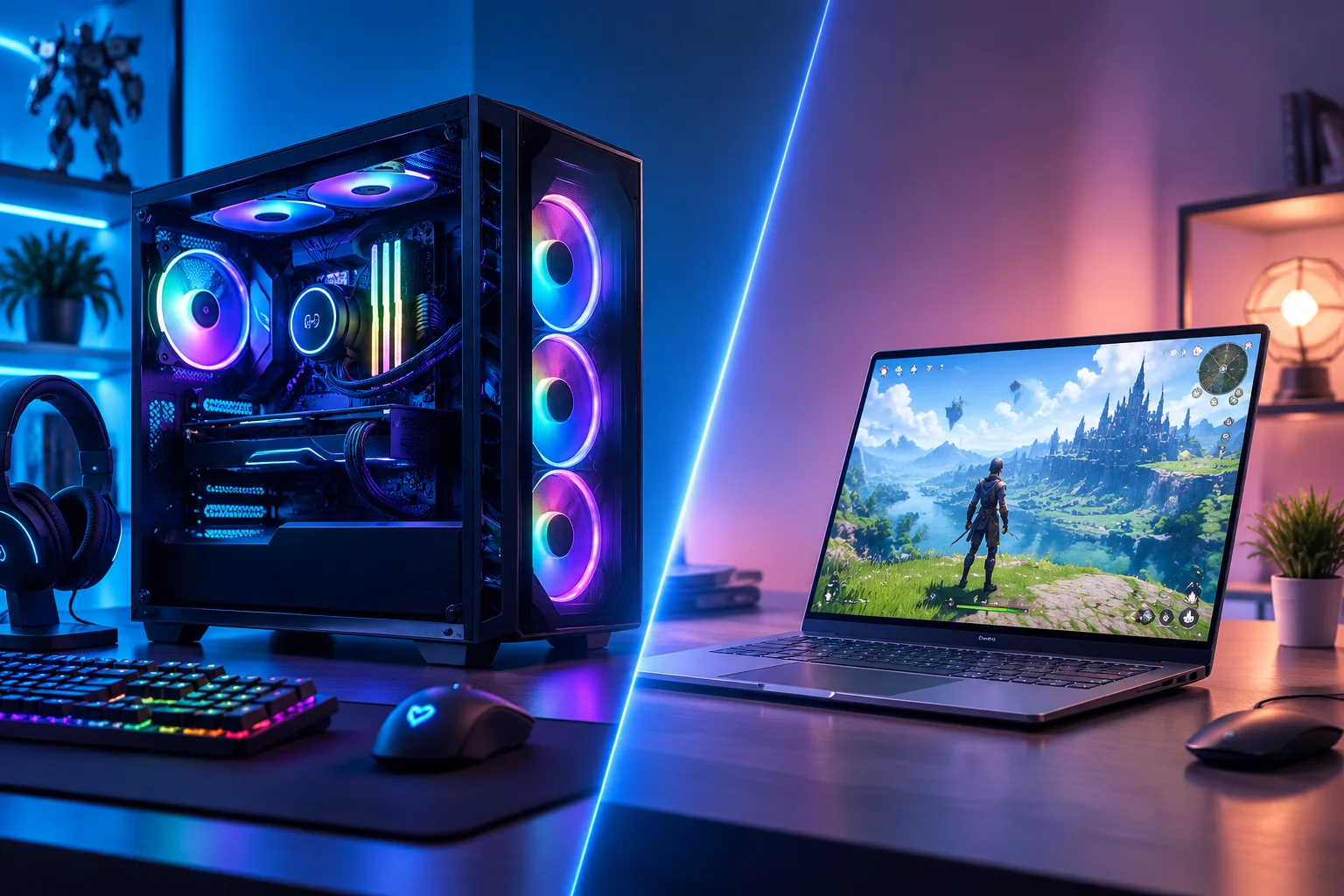
Cloud gaming promises a future without expensive hardware. Services like GeForce Now and Xbox Cloud Gaming allow users to stream high-end titles to any device. A smartphone or a cheap laptop becomes a gaming powerhouse. The processing happens on remote servers. Only the video feed travels to the user. This model offers incredible accessibility. It removes the barrier of entry for many players. However, the experience depends heavily on internet infrastructure. The battle between cloud convenience and local power is just beginning.
Latency: The Unseen Hurdle
Local hardware offers the lowest possible latency. The signal travels inches from the motherboard to the monitor. Cloud gaming introduces hundreds of miles of travel. This distance creates input lag. Even with high-speed fiber internet, physics imposes limits. Fast-paced shooters feel sluggish in the cloud. Precision is harder to achieve. Competitive players will likely stick to local hardware for the foreseeable future. The tactile response of a local machine remains unmatched. Drive Hub US often works with gamers who prefer local builds specifically for this responsiveness. Until networking technology overcomes these delays, local PCs hold the crown.
Visual Fidelity and Compression
Streaming video requires compression. This process often introduces artifacts. Dark scenes can look blocky. Fine details might disappear. Local hardware renders frames natively. The image is crisp and uncompressed. High-resolution textures and ray tracing look their best on a local GPU. Cloud services are improving their bitrates. However, they cannot yet match the raw visual clarity of a dedicated gaming rig. For enthusiasts who value every pixel, local hardware is the only choice. The difference is especially noticeable on large, high-resolution monitors.
Ownership and Modding Culture
Buying a PC means owning the hardware. You can upgrade, fix, or modify it at will. Local gaming also allows for extensive software modding. Communities for games like Skyrim or Fallout thrive on this freedom. Cloud gaming platforms are closed ecosystems. You cannot install custom mods or tweak deep system files. This limitation stifles creativity. Furthermore, cloud services require a subscription. If the service shuts down, access to the games may vanish. Local hardware provides independence. It ensures that your library is always available, regardless of your internet status.
The Hybrid Future
We might see a hybrid approach in the coming years. Some tasks could be handled locally while others are offloaded to the cloud. AI processing is already moving in this direction. Local hardware will continue to evolve. It will remain the choice for enthusiasts and professionals. Cloud gaming will serve the casual market and those on the move. Both technologies have a place in the ecosystem. The choice depends on individual priorities. Speed and control favor the local PC. Convenience favors the cloud. The competition will only lead to better experiences for everyone.
leave a comment
Your comment has been submitted for moderation